Fundraising events can create energy that is hard to capture in a standard revenue report. A room full of supporters, sponsors, volunteers, board members, and first-time guests feels like momentum. The challenge is that momentum often fades before it becomes measurable donor value.
Many nonprofit event reports stop at tickets sold, gifts received, auction revenue, sponsorships, and expenses. Those numbers matter. They show whether the event covered its costs and produced net revenue. But they do not answer the bigger question: did the event deepen donor engagement, strengthen the pipeline, and improve ROI in non-profits beyond the event night?
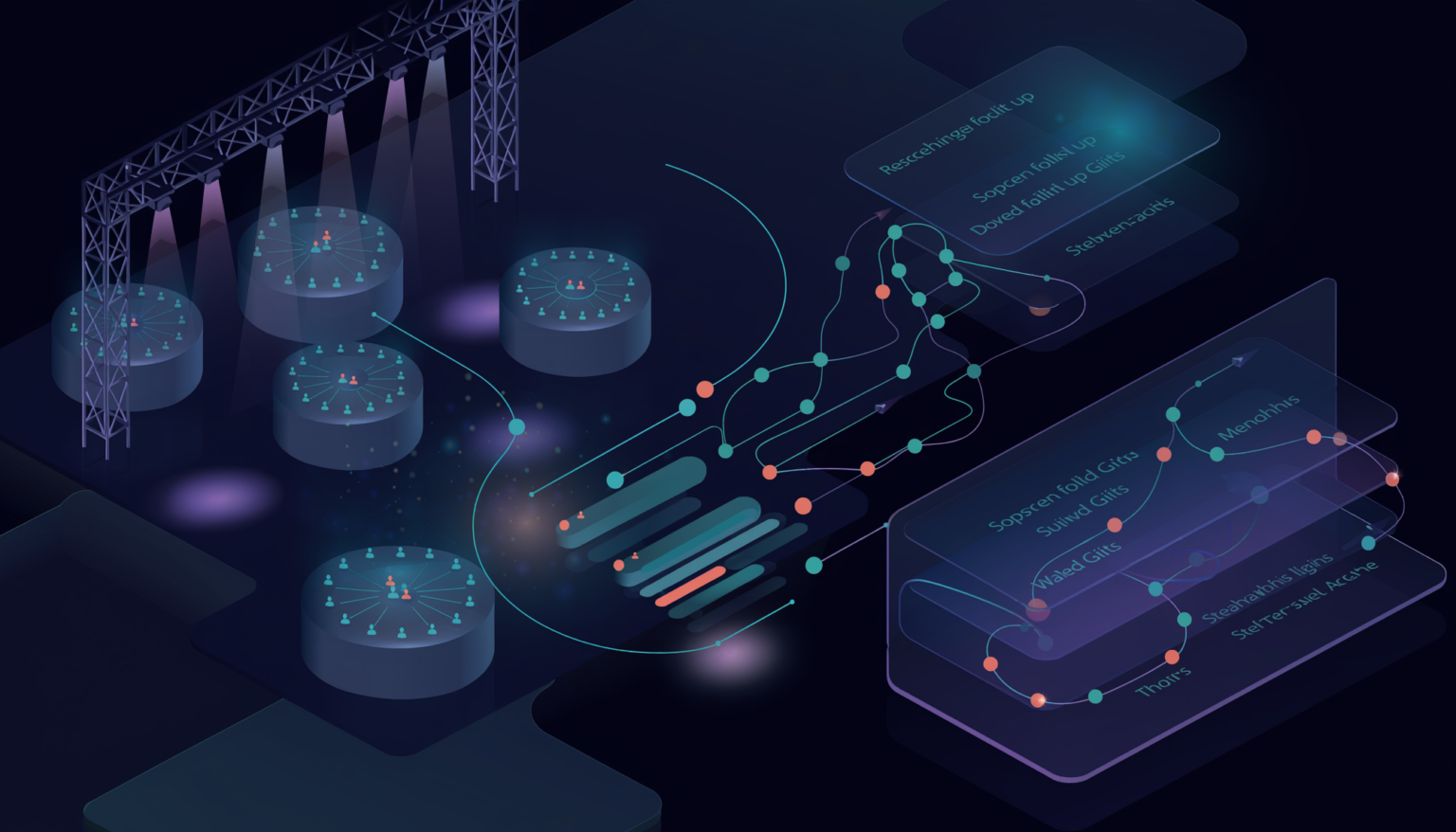
That is where an Event Follow-Through ROI Report becomes useful. It connects event participation to what happens next: who gave again, who took a first meaningful step, who received timely stewardship, which sponsors moved forward, and which attendee segments justified the staff time and budget invested.
Recent sector benchmarks from the Fundraising Effectiveness Project and Blackbaud Institute point to a familiar pattern: revenue can rise even while donor participation and smaller-gift activity remain under pressure. That makes post-event conversion reporting more important. If your events attract people who enjoy the experience but never move into the donor journey, the event may be less efficient than the top-line revenue suggests.
What an Event Follow-Through ROI Report Should Measure
The goal is not to create another complicated dashboard. The goal is to extend event reporting past the closing total and into donor behavior. A strong report should show three layers: financial return, relationship movement, and follow-up execution.
Financial return includes gross revenue, direct expenses, staff or agency time, net revenue, cost per attendee, cost per new donor, and net revenue by attendee segment. This is the foundation for measuring fundraising ROI, but it should not be the whole story.
Relationship movement shows whether attendees became more valuable or more engaged after the event. Track first gifts from non-donor attendees, additional gifts from current donors, monthly giving starts, major gift conversations, sponsor renewals, volunteer sign-ups, meeting requests, and meaningful engagement with follow-up communications.
Follow-up execution measures whether the team did the work that gives event momentum a chance to convert. This includes thank-you completion rate, speed to follow-up, sponsor recap delivery, board member outreach, attendee segmentation, and next-step assignment by owner.
Segment Attendees Before You Measure Results
Blended event metrics hide the most useful insights. A gala guest who came through a corporate table, a long-time major donor, a new volunteer, and a board-invited prospect should not be measured as if they are the same type of supporter.
Start with practical segments your team can actually use:
- Current donors who attended
- First-time donors who gave through the event
- Non-donor attendees
- Guests invited by board members or major donors
- Sponsors and sponsor guests
- Volunteers, advocates, or program participants
- High-engagement attendees who clicked, replied, registered early, bid, shared, or requested information
For each segment, compare cost, revenue, engagement, and next actions. You may find that one segment produces strong immediate revenue while another produces better future donor engagement. That distinction matters for non-profit fundraising strategies because it helps leaders decide whether an event is mainly a revenue engine, cultivation tool, sponsor relationship channel, or donor acquisition path.
Build a Follow-Through Window
Event ROI often looks different depending on when you measure it. A report built the morning after the event can confirm cash, pledges, and expenses. It cannot show retention, upgrades, or deeper engagement.
Create a standard follow-through window for every event. The first window should focus on execution: who received a thank-you, who was assigned for follow-up, which sponsor deliverables were completed, and whether any pledges or pending gifts need attention. The next window should focus on conversion: second gifts, recurring gift starts, meetings booked, volunteer activity, email engagement, and campaign participation. A later window should evaluate durable value: retained donors, sponsor renewal movement, upgraded gifts, and net revenue after staff time and additional stewardship effort.
This reporting rhythm turns event analysis from a one-time recap into a donor journey view. It also gives leaders a clearer sense of whether event investment is creating short-term revenue only or building future fundraising capacity.
Calculate Event ROI Without Ignoring Hidden Costs
A useful event ROI formula starts with net revenue divided by total cost. But many nonprofits undercount total cost by leaving out staff time, agency support, design, list work, follow-up labor, board coordination, and sponsor servicing. If those costs are invisible, leadership may keep repeating an event that looks profitable but strains the team and crowds out higher-return work.
Use two versions of ROI in the report:
- Direct event ROI: net event revenue divided by direct event expenses.
- Fully loaded event ROI: net event revenue divided by direct expenses plus estimated staff, agency, and follow-up costs.
Then add conversion metrics that explain the quality of the return:
- Cost per new donor acquired
- Cost per retained or reactivated attendee
- Attendee-to-donor conversion rate
- Donor-to-monthly-giver conversion rate
- Sponsor renewal or advancement rate
- Follow-up completion rate by segment
- Net revenue per attendee segment
This combination gives finance, fundraising, and executive teams a shared language. Finance sees cost and net return. Fundraising sees donor movement. Leadership sees whether the event deserves more investment, redesign, or a narrower purpose.
Turn the Report Into Better Next Actions
The best reporting best practices do more than describe performance. They tell the team what to do next.
Every Event Follow-Through ROI Report should end with a short action section. Identify the highest-priority attendees for personal outreach, the segments that need a tailored email series, the sponsors that need a business-impact recap, the donors ready for a monthly giving invitation, and the board members who should make warm follow-up calls.
ReportWerks can support this kind of analysis by helping teams bring campaign performance, donor engagement, and fundraising analytics into one view. Instead of pulling event data from registration tools, gift records, spreadsheets, and email results by hand, teams can focus on what the report is really for: better decisions.
Conclusion: Measure the Aftermath, Not Just the Applause
An event is not finished when the room empties or the livestream ends. It is finished when the team knows which relationships moved forward, which investments paid back, and which follow-up actions are still open.
For nonprofits trying to improve ROI reporting, the Event Follow-Through ROI Report is a practical next step. Start with one recent event. Segment attendees, define a follow-through window, calculate both direct and fully loaded ROI, and connect every metric to a next action. That is how event fundraising becomes more than a successful night. It becomes a measurable path to lasting donor value.